Choosing a High Quality Breathable Roof Membrane
26 October 2026
Share
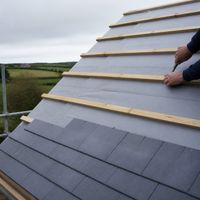
The Roof Membrane Under Your Slates and Tiles
Every pitched roof has two layers of protection. The slates or tiles you can see shed most of the rain, and underneath them sits a roof membrane, also called roofing underlay, laid across the rafters. That membrane catches any water that gets past the outer covering, keeps wind out of the roof space and, on a modern roof, lets moisture escape from the attic. It is one of the cheapest parts of a roof, yet it has a large say in how long the whole roof lasts.
This article explains what a roof membrane does, the difference between old bitumen felt and modern breathable membranes, what marks out a high quality product and the installation details that matter. If you are planning a new roof or a re-roof on an Irish home, it will help you understand what goes under the slates and why it is worth choosing well.
What the Membrane Does on a Pitched Roof
Slates and tiles are not completely watertight. Strong wind drives rain and snow up between them, a slipped or cracked slate leaves a gap, and fine dust and debris blow in under the laps. The roof membrane is the second line of defence. Water that gets past the slates runs down the membrane and out into the gutter instead of soaking the timbers and insulation.
The membrane also reduces the wind pressure acting on the slates from below, which helps keep them in place during storms. On a breathable system it allows water vapour rising from the house to pass out of the attic, so the roof space stays drier. In an Irish climate, with long wet winters and frequent Atlantic storms, all three jobs matter.
Bitumen Felt and Breathable Membranes Compared
Traditional Bitumen Felt
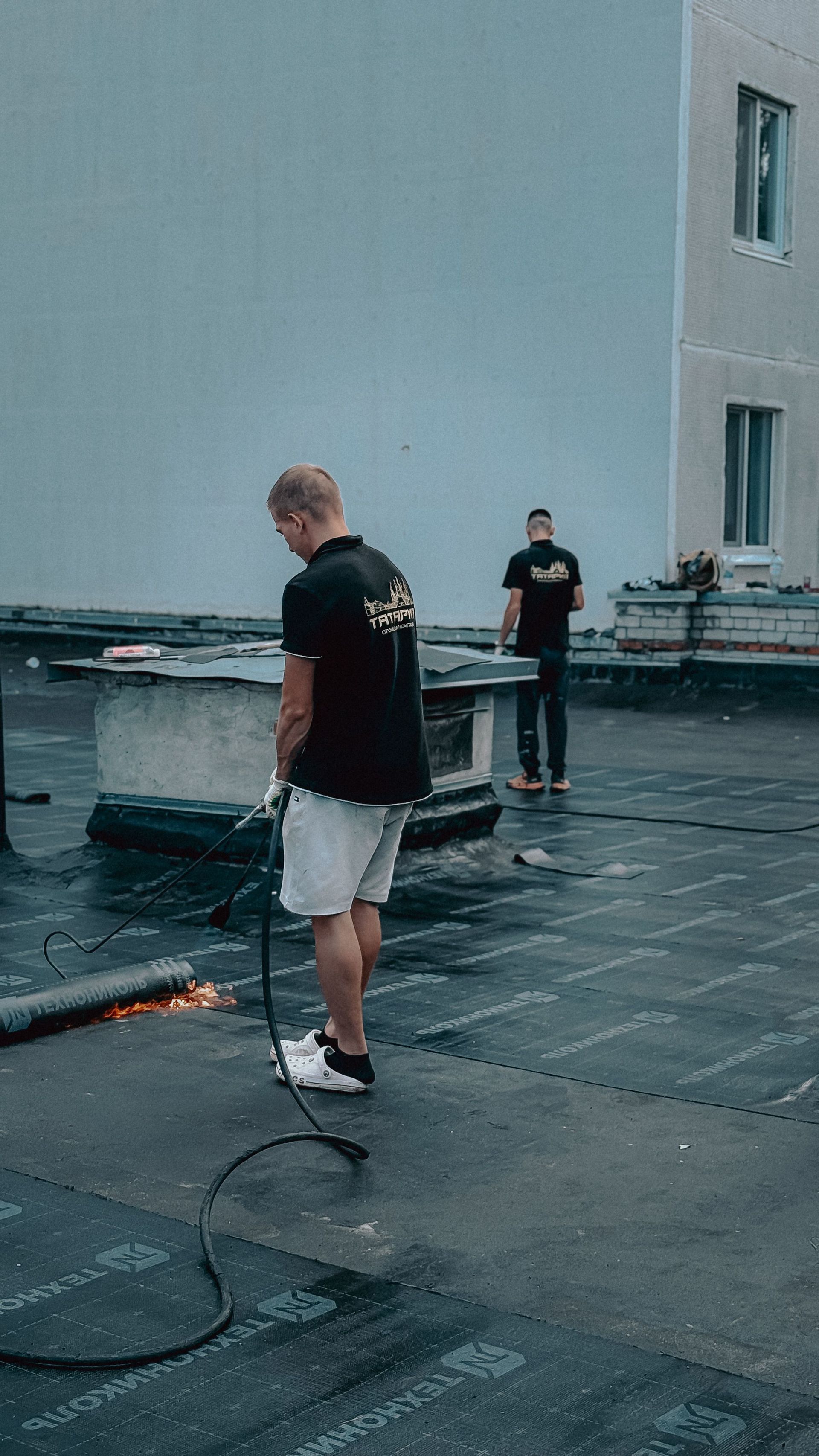
Most Irish houses built before the late 1990s have black bitumen felt under the slates. It keeps rain out well when new, but it does not let vapour through. Warm, moist air from kitchens, bathrooms and bedrooms rises into the attic and condenses on the cold underside of the felt. Over time this leads to damp insulation, mould on the timbers and drips onto the ceiling. Old felt also becomes brittle with age, and at the eaves it often rots away completely where it has been exposed to sunlight and water.
Modern Breathable Membranes
Breathable roof membranes are made from layers of spun polypropylene or similar synthetic material. They are water resistant but vapour permeable, so liquid water stays out while moisture from the house can escape. This greatly reduces condensation in the roof space and protects rafters, battens and insulation from rot. Breathable membranes are lighter and stronger than felt, do not become brittle in the same way and are now the standard choice for new roofs and re-roofing work in Ireland. Our new roofs page explains how a roof is built up from the rafters to the ridge.
Signs of a High Quality Roof Membrane
Breathable membranes look much the same on the roll, but their performance varies a great deal. When comparing quotes, it is worth asking which product will be used and checking the following points:
- Third-party certification, such as NSAI Agrément or BBA approval, confirming the membrane has been tested for use under slates and tiles
- A clear vapour permeability rating, so the roofer can confirm whether the attic still needs separate ventilation
- Weight and tear strength, as heavier multi-layer membranes resist tearing during fitting and from wind once in place
- Wind uplift performance suitable for the exposure of the site, which matters on hills, near the coast and in the west of the country
- Resistance to UV light for the period the membrane may be exposed before the slates go on
- A manufacturer's guarantee covering the membrane for a stated number of years when fitted to their instructions
A cheap, lightweight membrane may save very little on the overall cost of a roof. Because it is covered by slates or tiles that should last decades, replacing a failed membrane later means stripping the whole roof, which costs many times the original saving.
Installation Details That Make the Difference
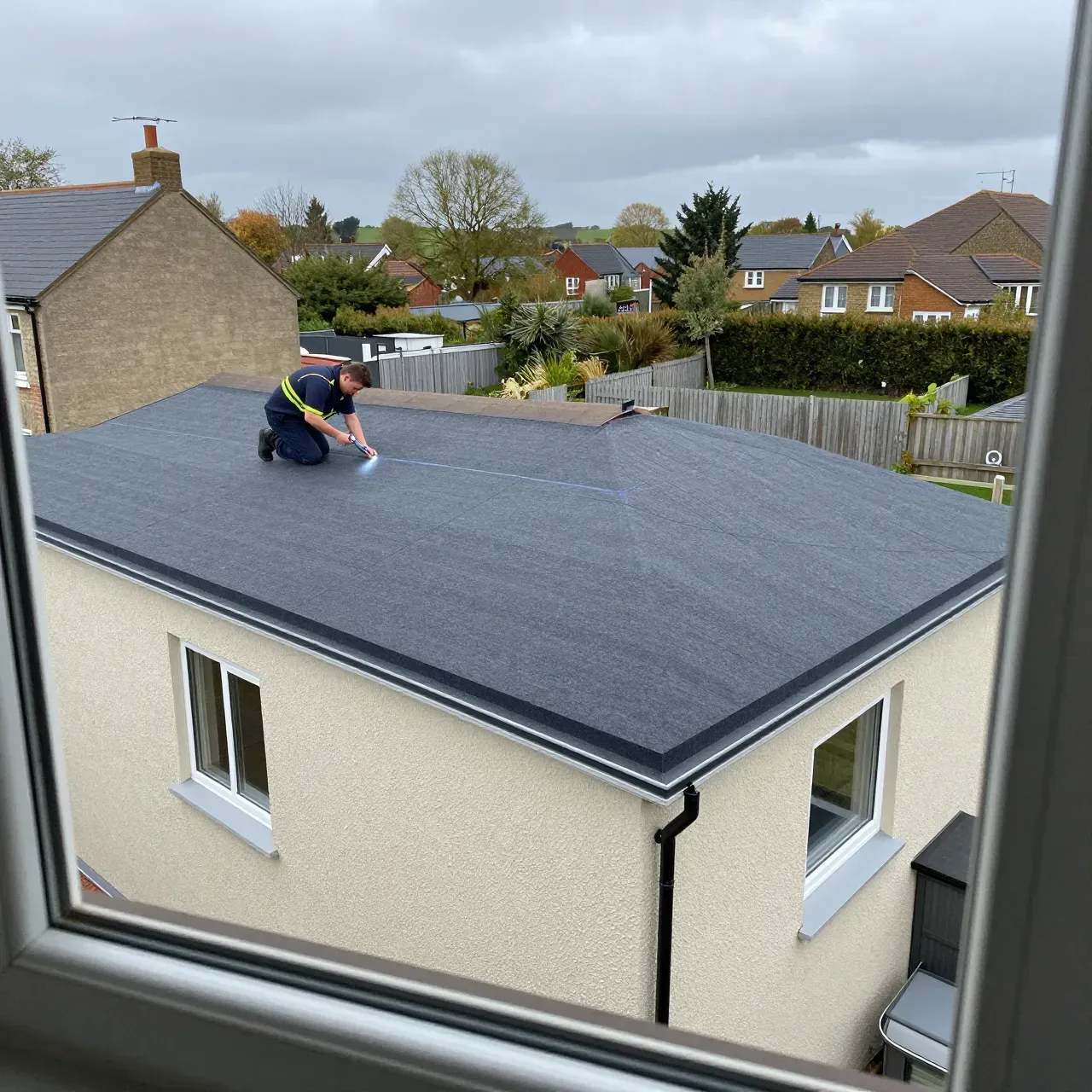
Even the best roof membrane only works if it is fitted correctly. Most membrane problems we find on Irish roofs come from installation faults rather than the product itself. The details that matter most include:
- Laying the membrane from the eaves upwards, so each row overlaps the one below and water runs down the outside of every lap
- Using the lap widths the manufacturer specifies, which increase on lower pitched roofs
- Fitting an eaves support tray or board so the membrane does not sag behind the fascia and hold water
- Leaving the correct drape between rafters where the system calls for it, so water can run down to the gutter
- Sealing neatly around chimneys, soil vent pipes and roof windows with the correct accessories
- Fixing battens at the right spacing for the slate or tile being used, without tearing or puncturing the membrane
On many re-roofing jobs we also check the condition of the rafters, the ventilation at the eaves and ridge, and the insulation in the attic, because the membrane needs to work together with all three. More about this work is covered on our tile and slate roofing page.
Signs the Existing Roof Membrane Has Failed
On older roofs the membrane is often the first part to give out, long before the slates themselves. Looking from inside the attic with a torch, the common signs are:
- Torn, sagging or missing felt between the rafters
- Felt that has crumbled away at the eaves, leaving the bottom of the roof open
- Daylight showing through gaps under the slates
- Water stains, damp patches or mould on the rafters and battens
- Wet or compressed insulation, especially along the eaves
A few torn sections can sometimes be patched, but where the felt is brittle across the whole roof, the long-term fix is to strip the slates or tiles, fit a new breathable membrane and new battens, and relay the covering. Good slates can often be reused, which keeps the cost down. Our roof repairs page explains how we assess an existing roof before recommending repair or replacement.
Questions to Ask Your Roofer
Before work starts on a new roof or re-roof, ask your roofer which membrane they plan to use, whether it is certified for that type of roof, and what guarantee comes with it. Ask how the eaves will be finished, how the attic will be ventilated and how long the membrane may be left exposed before the slates or tiles go on. A roofer who uses good materials will be glad to answer.
The roof membrane is hidden once the roof is finished, but it decides how well your home stays dry and how healthy the roof timbers remain for decades. Choosing a certified, high quality breathable membrane and having it fitted correctly is one of the best long-term investments you can make in a roof.
For advice on the right roof membrane for your home, or a quote for a new roof or re-roof, contact Patrick Hannifin Roofing. Call 085 754 7244 or email patrickhannifinroofing@gmail.com.
Recent Posts