What Flat Roof Replacement Really Costs in Ireland

If your flat roof is getting on in years, one of the first questions that comes to mind is simple: what's a flat roof replacement actually going to cost? It's a fair thing to ask, and the honest answer is that it depends on a handful of specific factors rather than one flat fee that applies to every property.

In this guide, we'll walk through what genuinely drives the price of a flat roof replacement in Ireland, from the material you choose to the condition of what's underneath, so you've a realistic idea of what to expect before you book a survey. Have you noticed ponding water, bubbling felt, or a soft patch on your flat roof recently?
1. The Material You Choose Changes the Price Considerably

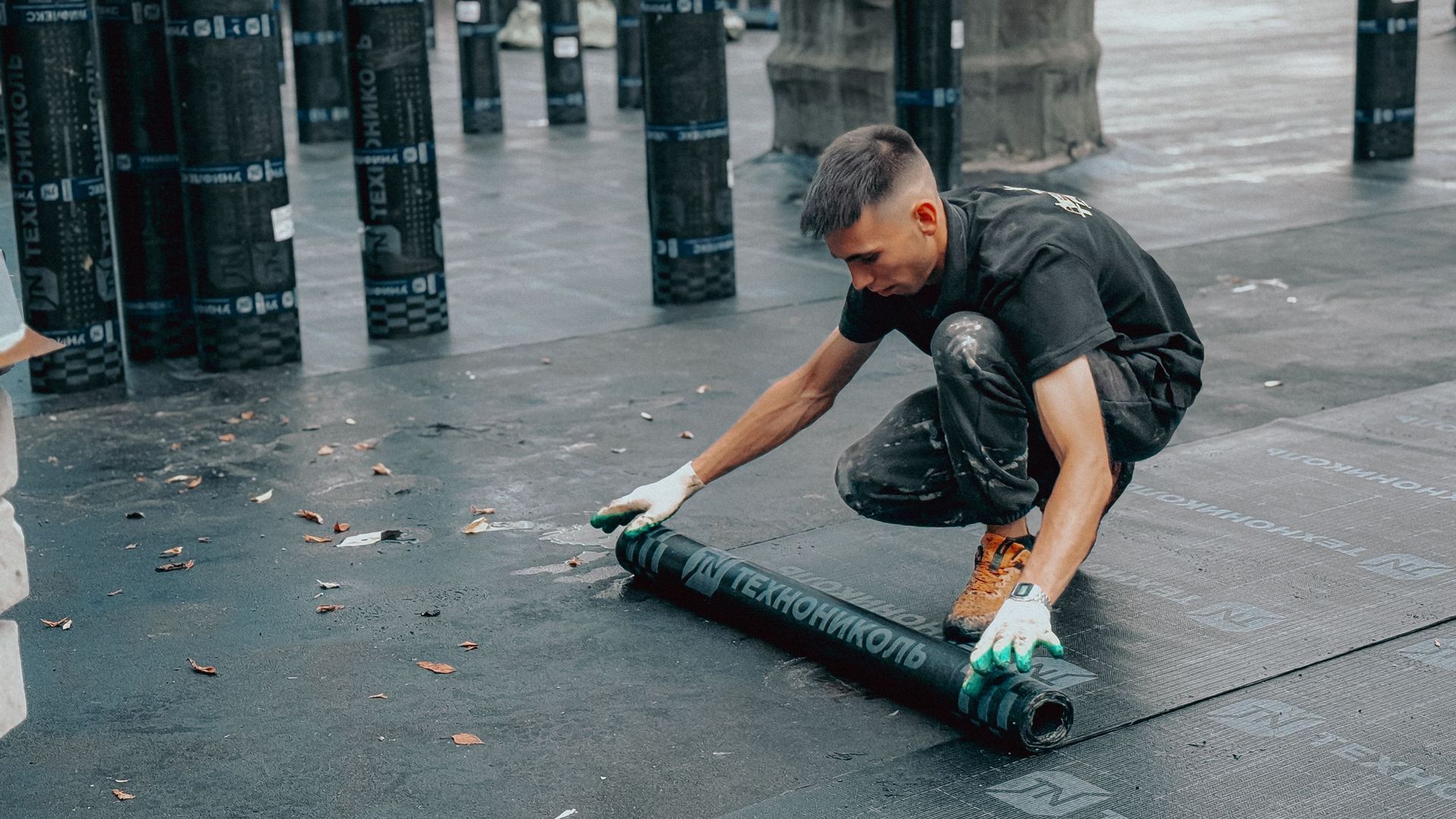
Not all flat roof systems cost the same, and the material is usually where a quote starts to take shape. Torch-On felt is a tried and tested option that's been used on Irish roofs for decades, and it remains one of the more cost-effective ways to get a reliable, watertight finish. Fibreglass, often called GRP, tends to sit at a higher price point but offers a seamless, durable surface that many homeowners prefer for its long-term performance and appearance.

Then there's Lava 20 liquid waterproofing, which is applied as a liquid rather than laid in sheets or rolled felt. It's particularly useful on roofs with awkward details, upstands or lots of pipework, where a liquid system can be worked into tight corners that a sheet material would struggle with. Each of these three approaches has a different price per square metre, and the right one often comes down to the shape of your roof as much as your budget.

It's worth asking any roofer you're comparing quotes with exactly which system they're pricing, since "flat roof replacement" can mean quite different things depending on the material behind it. A cheaper quote using a lower-grade felt isn't necessarily better value once you weigh it against a fibreglass or liquid system that might last considerably longer.

2. What's Underneath Matters as Much as What's on Top

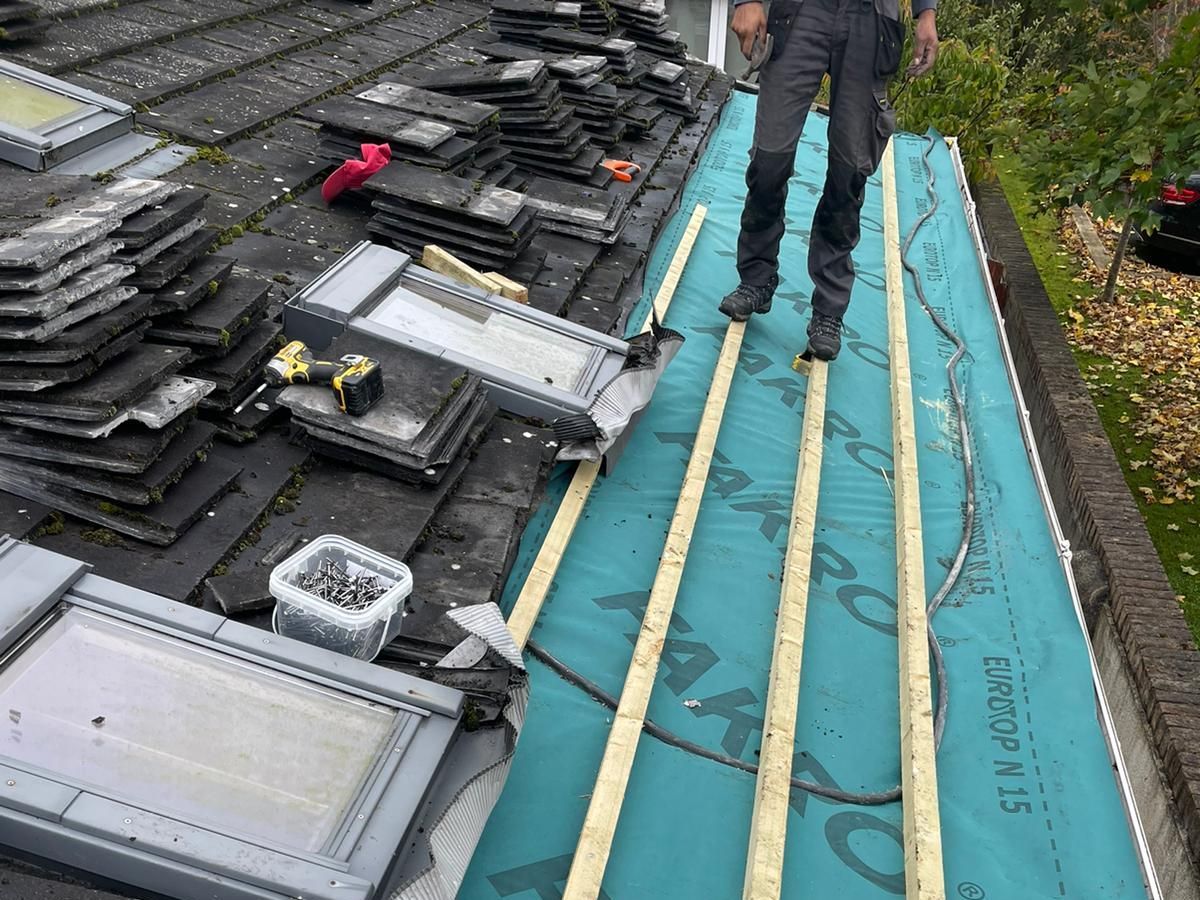
A flat roof replacement isn't always a simple strip-and-relay job. If the timber deck underneath the existing covering has taken on damp over the years, it may need partial or full replacement before any new material goes down. Skipping this step to save money is one of the most common reasons a flat roof fails again within just a few years of being "replaced".

Insulation is another factor that's easy to overlook. Building regulations and energy efficiency expectations have moved on considerably since many older flat roofs were first installed, and upgrading the insulation layer while the roof is already open is far more cost-effective than trying to add it later. This does add to the upfront price, but it's one of the few moments where improving the roof's performance costs a fraction of what it would otherwise.

Why a Site Visit Beats a Phone Quote

It's tempting to ask for a rough price over the phone, but a proper flat roof quote really needs an in-person inspection. Deck condition, drainage falls, upstand heights and access all affect both the price and which material actually makes sense for your particular roof.
3. Size, Access and Drainage All Play a Part

A small flat roof over a porch or extension costs considerably less to replace than a full garage or dormer bungalow roof, which seems obvious enough, but the relationship isn't always perfectly linear. Consider:

  • How easily scaffolding or ladders can reach the roof area
  • Whether the existing roof drains properly, or has low spots that collect water
  • How many upstands, pipes or rooflights interrupt the surface
  • Whether parapet walls or awkward junctions add extra detailing work

A roof with poor falls might need some re-decking or firring pieces added to correct drainage as part of the replacement, which is worth budgeting for rather than being caught out by later. Getting the falls right the first time avoids the ponding water that shortens the life of almost any flat roof material.

4. What a Fair Quote Should Actually Include

When comparing quotes for a flat roof replacement, it helps to ask:

  1. Does the price include removal and disposal of the old roof covering?
  2. Is any necessary deck repair included, or only added once the roof is opened up?
  3. What guarantee is offered, and does it cover both materials and workmanship?
  4. Is the quote based on an actual site visit, or an estimate from a description alone?

Getting straight answers to these questions upfront means you're comparing like for like, rather than being caught out by a quote that looks cheaper on paper but leaves out work you assumed was included. What matters most is picking a roof that's specified correctly for your property, not just the lowest number on a page.

A flat roof replacement is one of those jobs where getting the specification right the first time, even if it costs a little more upfront, tends to work out far better value over the years than patching the same problem again and again. If you're also weighing up whether your roof needs full replacement or could be repaired instead, our team can talk you through both options honestly during a new roof consultation.

Noticed signs your flat roof might be nearing the end of its life? Get in touch through our contact page to arrange a survey, or call us directly on 085 754 7244 or email patrickhannifinroofing@gmail.com for honest, no-obligation advice.
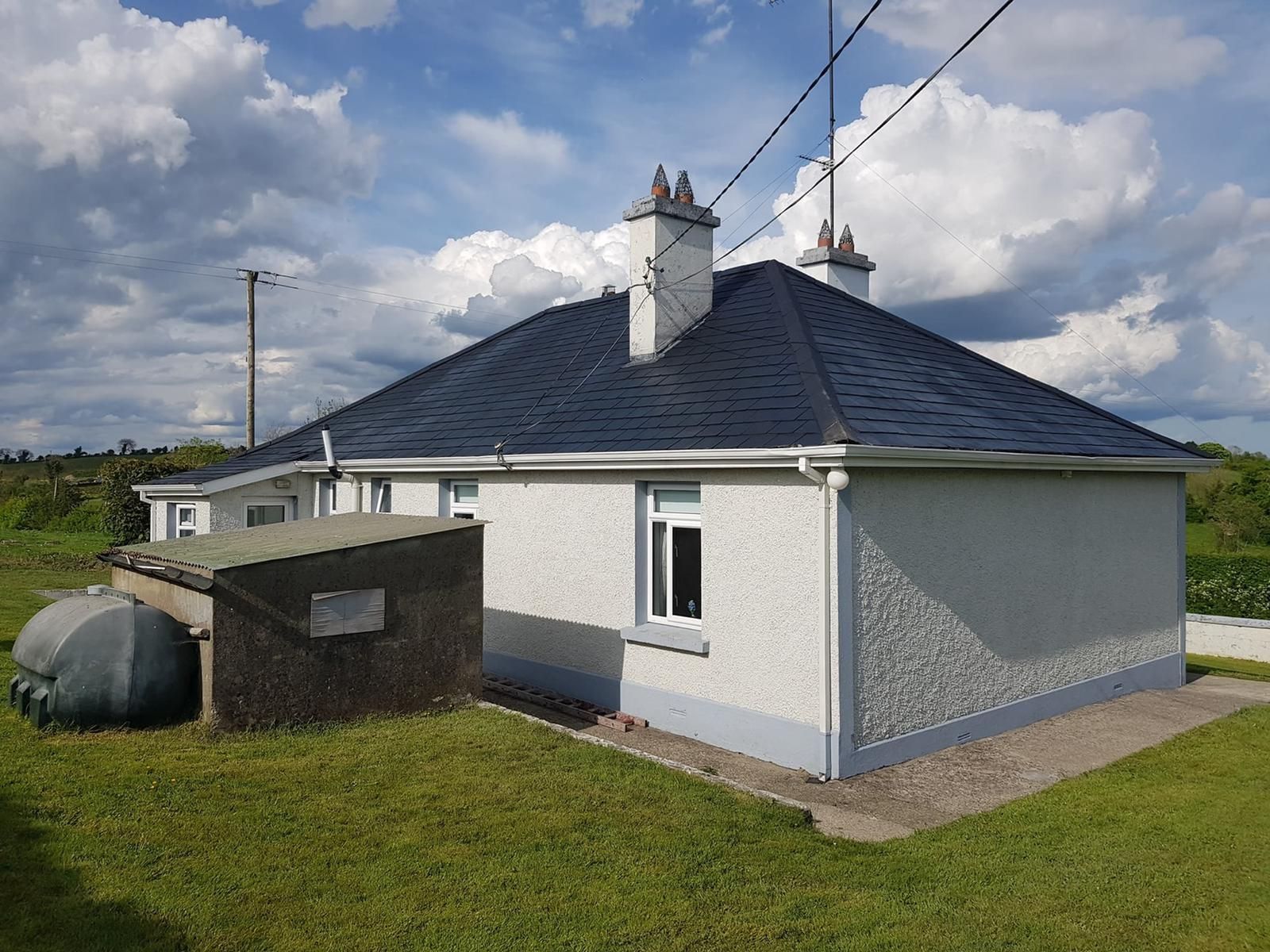
A white house with a black roof is sitting in the middle of a grassy field.
7 April 2025
When people think of roof care, they usually focus on repairs or replacements. But there’s another important service that can extend the life of your roof while also improving the look of your home—roof painting and protective coatings. Especially in Ireland, where roofs take a beating from rain, wind, and UV rays, roof coatings can make a real difference. Roof painting isn’t just about appearance. While a freshly painted roof does improve kerb appeal, the real value lies in the protection it provides. A high-quality roof coating can seal porous surfaces, reduce the growth of moss and algae, and provide a waterproof barrier that prevents water ingress. This is especially beneficial for older concrete tile roofs, which become more porous over time. As water is absorbed, it can lead to frost damage, cracking, and eventual leaks. A breathable coating helps shed rainwater and protects against freeze-thaw cycles. Reflective roof coatings also help reduce heat absorption. While this is more of a concern in warmer countries, in parts of Ireland where summer temperatures can still rise, it offers added energy efficiency—especially for converted attics or upper rooms. The process usually begins with a full roof clean to remove moss, algae, and dirt. This is followed by a thorough inspection to identify any tiles that need replacing or areas that require resealing. Once prepared, the coating is applied—either by brush, roller, or spray—depending on the material and layout of your roof. There are several types of protective coatings available, including acrylic-based, silicone, and polymer formulations. Some include anti-fungal properties to help prevent regrowth of moss and algae, while others focus on durability and waterproofing. At Patrick Hannifin Roofing, we offer roof painting and coating services using premium-grade materials. Whether you want to refresh the appearance of your home, protect an ageing roof, or prevent future issues, we tailor the coating system to suit your roof type and condition. Roof painting is not a DIY job. The process requires safety precautions, access equipment, and technical knowledge to ensure proper adhesion and full coverage. With our expertise, you’ll get a long-lasting finish that enhances both performance and appearance.
A brick building with a white gutter and a window
7 April 2025
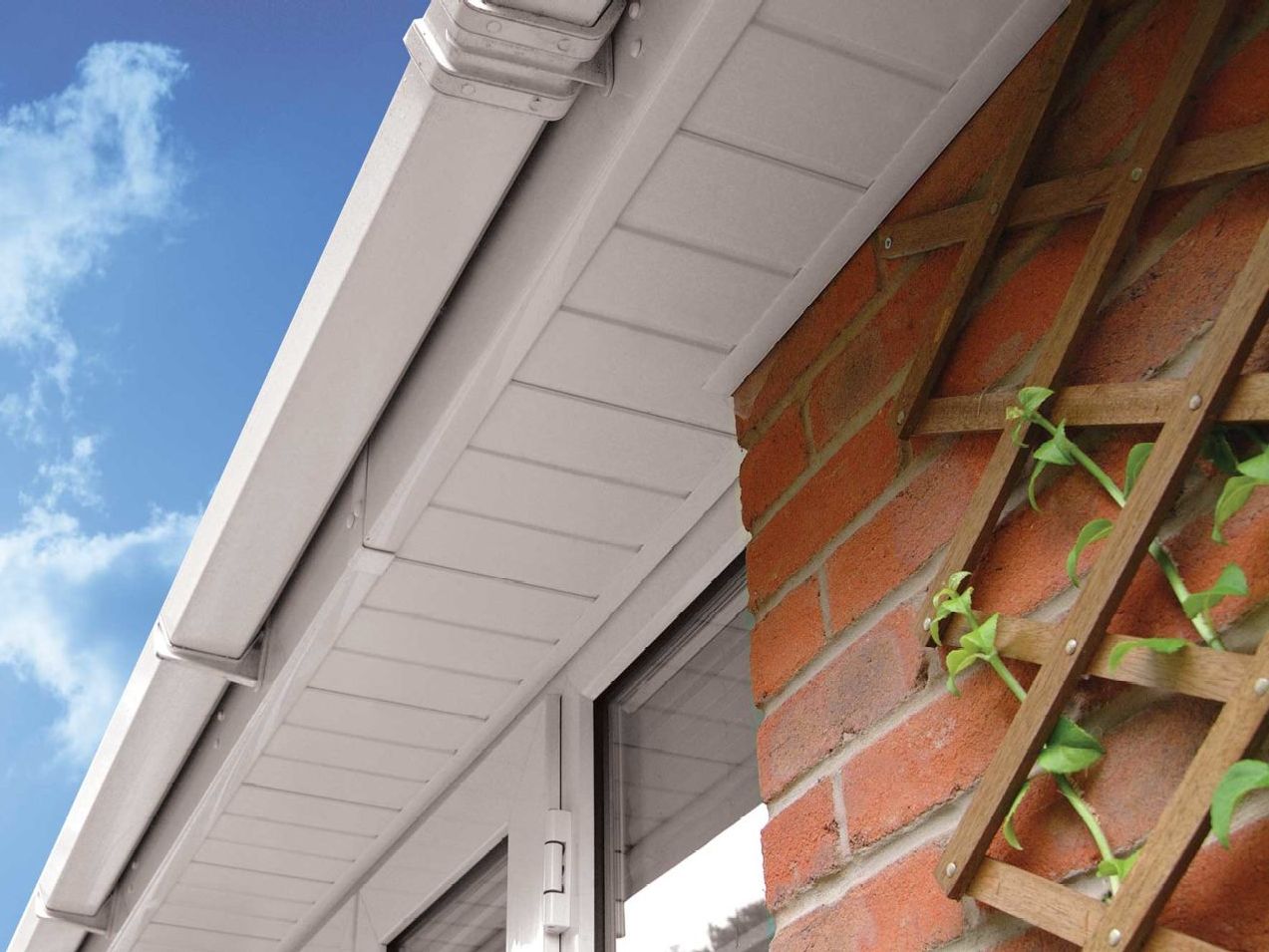
Fascia and soffits aren’t just decorative trim along the roofline—they play an essential role in protecting your home from water damage, pests, and poor ventilation. Despite their importance, these elements are often neglected until obvious signs of damage appear. At Patrick Hannifin Roofing, we regularly carry out fascia and soffit repairs across Ireland, and we’ve seen first-hand how crucial this part of the roofline is. Let’s start with the basics. The fascia is the long, straight board that runs along the edge of your roof. It supports the bottom row of tiles and holds the guttering in place. The soffit is the board underneath the fascia, running horizontally from the edge of the roof to the wall. Together, they form a protective barrier that keeps moisture out and allows air to circulate through the roof space. When fascia or soffits are damaged—whether by water, rot, age, or pests—it compromises the entire roofline system. If the fascia board weakens, your gutters can sag or detach, causing water to pour onto walls and foundations. If the soffits are cracked or poorly ventilated, air can’t circulate properly in the attic, which leads to dampness and mould. In Ireland’s damp climate, these problems are common. Wooden fascia boards are particularly vulnerable to rot if gutters overflow or water penetrates the joints. Modern uPVC alternatives are more durable, but they’re still susceptible to cracks or impact damage over time. Another issue we often see is pest intrusion. Birds, insects, and even rodents can find their way into attic spaces through broken soffits or poorly sealed gaps. Once inside, they can damage insulation, wiring, and wooden supports. The good news is that timely fascia and soffit repairs can prevent all of this. At Patrick Hannifin Roofing, we offer full roofline inspections and repairs. Whether your boards need resealing, repainting, or complete replacement, we ensure your home remains protected and well-ventilated. If you've noticed peeling paint, damp around the roof edges, sagging gutters, or animals nesting in the eaves, it’s time to book an inspection. Small repairs now can save you major structural problems later.
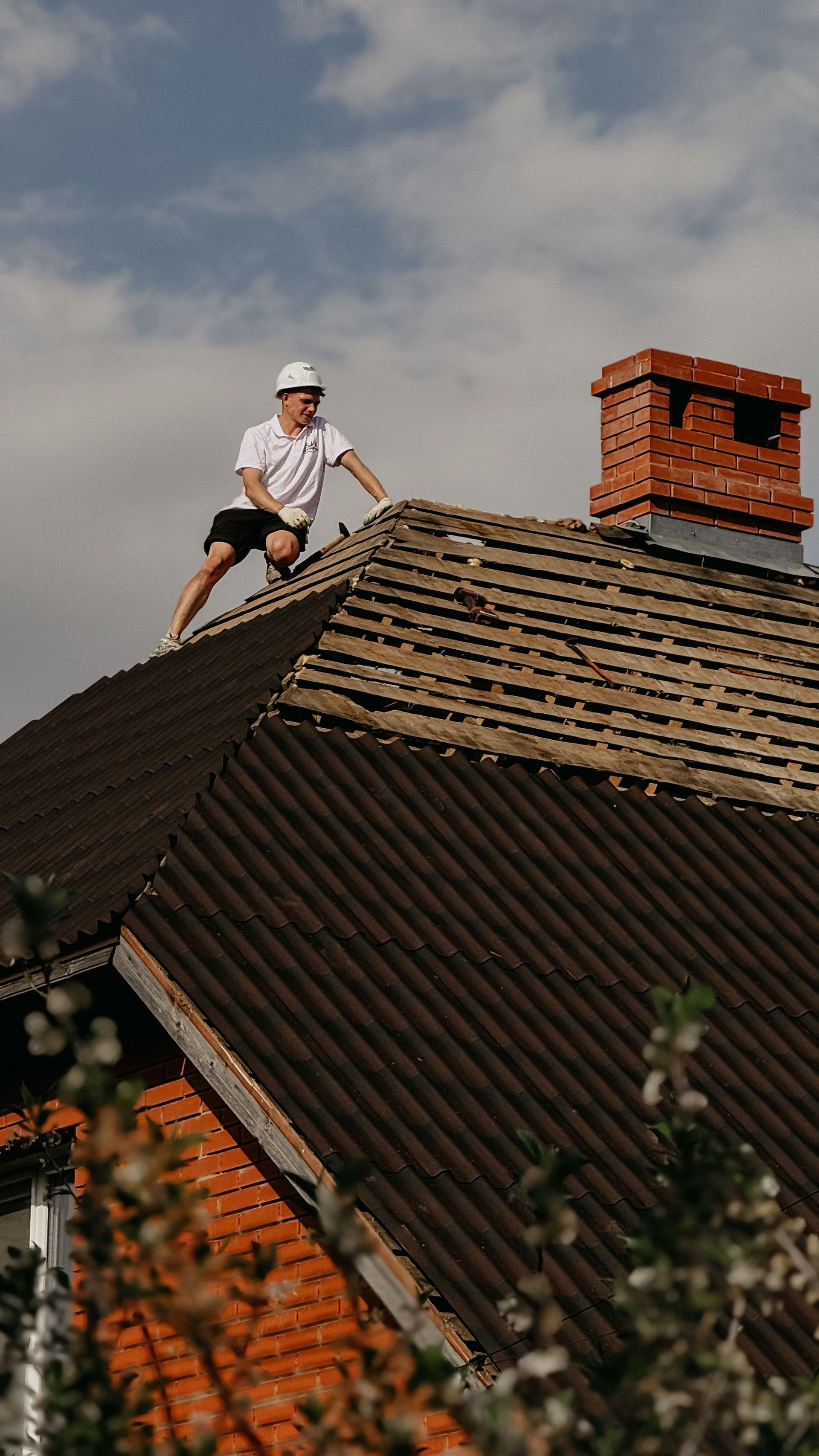
A man is standing on the roof of a building.
7 April 2025
It’s just a small leak—only a bit of water after a heavy rain. Maybe it’s not even dripping anymore. You tell yourself it can wait until next month. But in roofing, small leaks never stay small for long. One of the biggest mistakes Irish homeowners make is underestimating the seriousness of a minor roof leak. What seems like a harmless drip today can turn into significant structural damage tomorrow. Roof leaks often start out as slow, steady intrusions—barely noticeable at first. But water doesn’t just disappear. It seeps deeper into timber, insulation, and internal ceilings. Over time, the damage becomes more widespread and expensive to repair. When left untreated, water can rot wooden roof beams, encourage mould growth, and weaken the overall structure of your roof. You may even notice damage to internal walls, ceilings, or electrical wiring. Repairing those areas will cost far more than fixing the original leak. Many homeowners in Ireland put off leak repairs due to cost or convenience, especially during wet months. But ironically, the longer you delay, the more expensive the repair becomes. What might have been a simple job—like resealing flashing or replacing a tile—can quickly escalate into full roof replacements, timber treatment, or internal plasterwork. Aside from structural damage, there's also the impact on your health. Persistent dampness in your home increases the risk of mould, which can cause respiratory issues, especially in children or the elderly. The longer the water has to travel, the harder it becomes to find the source. By the time a leak shows up on your ceiling, it may have started on the other side of the roof. At Patrick Hannifin Roofing, we often find customers surprised by how far water has travelled before becoming visible indoors. We recommend addressing leaks immediately—whether it’s a cracked tile, lifted flashing, or a minor hole in the roof membrane. Our team provides prompt, professional roof leak repairs throughout Ireland, ensuring your home stays dry, secure, and protected.
More posts