Fascia and Soffit Repairs and Why They Protect Your Roof
7 April 2025
Share
The Role of Fascias and Soffits on an Irish Roof
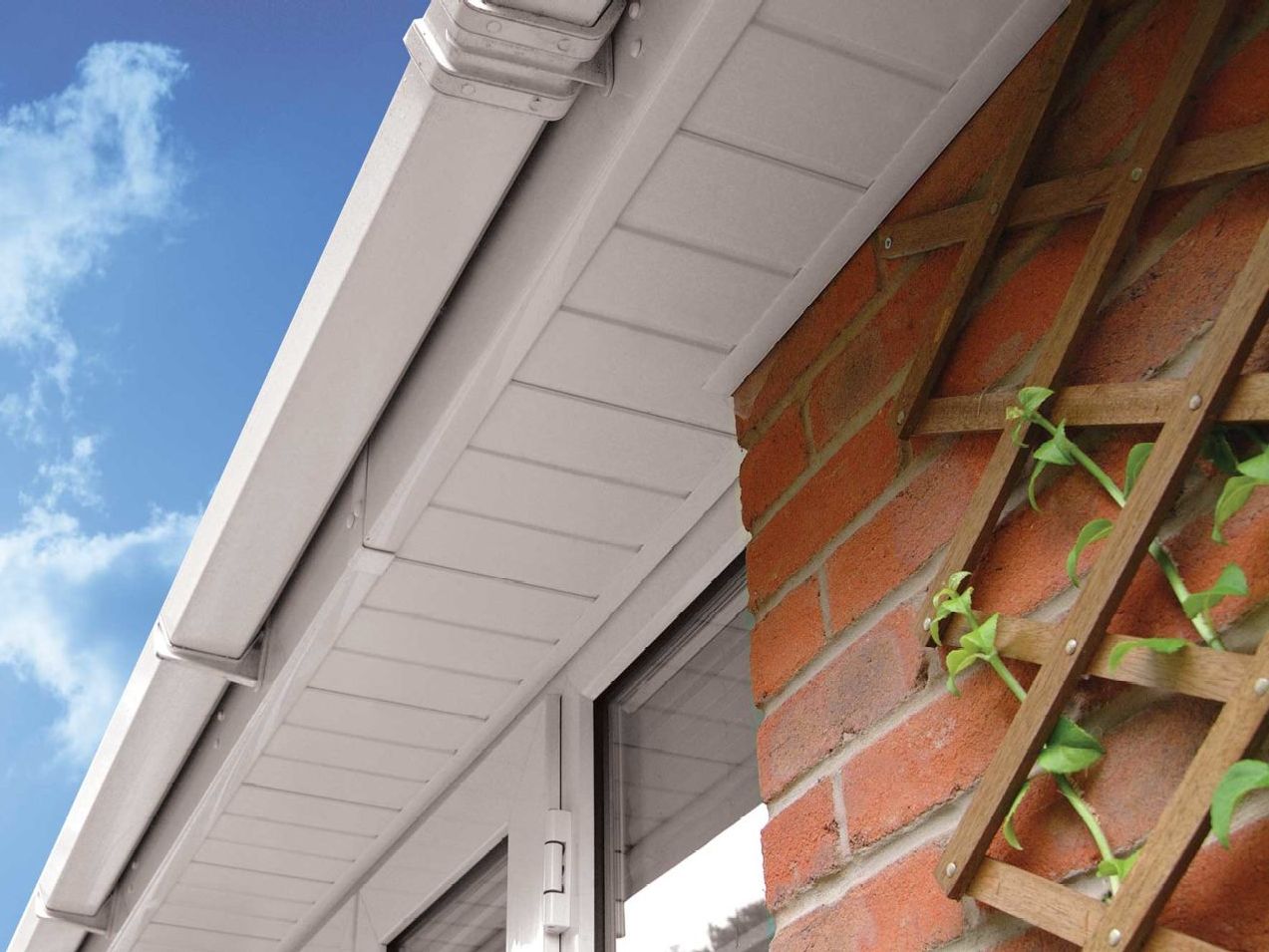
Fascias and soffits are the boards that run along the edge of the roof where it meets the walls. The fascia is the upright board that the gutters are fixed to, and the soffit is the horizontal board underneath that closes off the gap between the fascia and the wall. They are easy to overlook, yet fascia and soffit repairs are among the most important jobs for keeping a roof dry and sound.
This article explains what fascias and soffits do, how they fail, the warning signs to look for and the repair and replacement options available for homes in Ireland. Dealing with these boards early protects the roof timbers, the gutters and the walls below.
What Fascias and Soffits Do
The fascia board carries the full weight of the gutter system, including the water and debris it holds during heavy rain. It also seals the ends of the rafters and supports the bottom row of tiles or slates and the felt or membrane underneath.
The soffit closes the underside of the roof overhang. It keeps birds, bats, wasps and rodents out of the roof space while still allowing air to flow through vents. That ventilation is essential, because it carries away moisture that would otherwise condense on the roof timbers and insulation.
When either board fails, water and pests have a direct route into the roof structure. Problems that start at the eaves can spread to rafters, wall plates and ceilings if they are left alone.
How Fascias and Soffits Fail
Most older Irish houses have timber fascias and soffits, and timber in an exposed position will eventually rot unless it is painted and maintained regularly. Newer houses and many replacement jobs use uPVC, which does not rot but can still be damaged or badly fitted.
Timber Rot
Paint on timber fascias cracks and peels over time, letting rain soak into the wood. Overflowing gutters make this much worse, because water runs down the back of the gutter onto the fascia every time it rains. Once rot sets in, the board softens, the gutter brackets loosen and the gutter starts to sag.
Storm and Impact Damage
High winds can lift or crack fascia boards, particularly at gable ends and corners where the wind load is greatest. Ladders placed against gutters and fascias can also crack boards or loosen fixings.
Poorly Fitted Replacements
uPVC boards fixed directly over rotten timber, without the timber being repaired or replaced, often fail early. The new board looks fine from the ground while the timber behind continues to decay. Missing ventilation in replacement soffits can also lead to condensation in the roof space.
Warning Signs to Look For
Most fascia and soffit problems can be spotted from the ground with a careful look around the house. Watch out for:
- Peeling or flaking paint on timber boards
- Soft, crumbling or discoloured wood at the eaves
- Gutters that sag, pull away from the fascia or drip at the brackets
- Gaps, holes or missing sections in the soffit
- Birds nesting or wasps entering at the roof edge
- Damp patches or mould on ceilings near outside walls upstairs
- Water staining or green streaks on the wall below the gutter line
If you notice any of these, have the roof edge checked before the next heavy rain. Early repairs are far cheaper than replacing rafter ends and wall plates later.
Repair or Replacement Options
The right solution depends on how much of the board is affected and what the timber behind it is like.
Spot Repairs
Where a short section of timber fascia has rotted, it can be cut out and replaced with new treated timber, then primed and painted. This suits houses where the rest of the boards are sound and the owner wants to keep the original look.
Full uPVC Replacement
Replacing the timber with uPVC fascias and soffits is the most common long-term option in Ireland. The old boards are removed, the rafter ends are checked and repaired, and new uPVC boards are fitted with ventilated soffits. uPVC does not need painting, resists rot and is available in white, black, grey and woodgrain finishes to suit the house.
Capping Over Timber
Capping covers existing timber boards with thin uPVC sheets. It is cheaper but only suitable where the timber is completely sound. Covering rotten wood hides the problem rather than solving it, so it should never be done without a proper check first.
More detail on the options we install is available on our fascia and soffit page.
Why Fascias, Soffits and Gutters Belong Together
Because the gutters are fixed to the fascia, work on one almost always involves the other. Replacing fascias is the ideal time to fit new gutters and downpipes, and fitting new gutters to rotten fascias is wasted money. Doing both together means the brackets are fixed into sound boards, the falls are set correctly and the whole roof edge is finished at the same time.
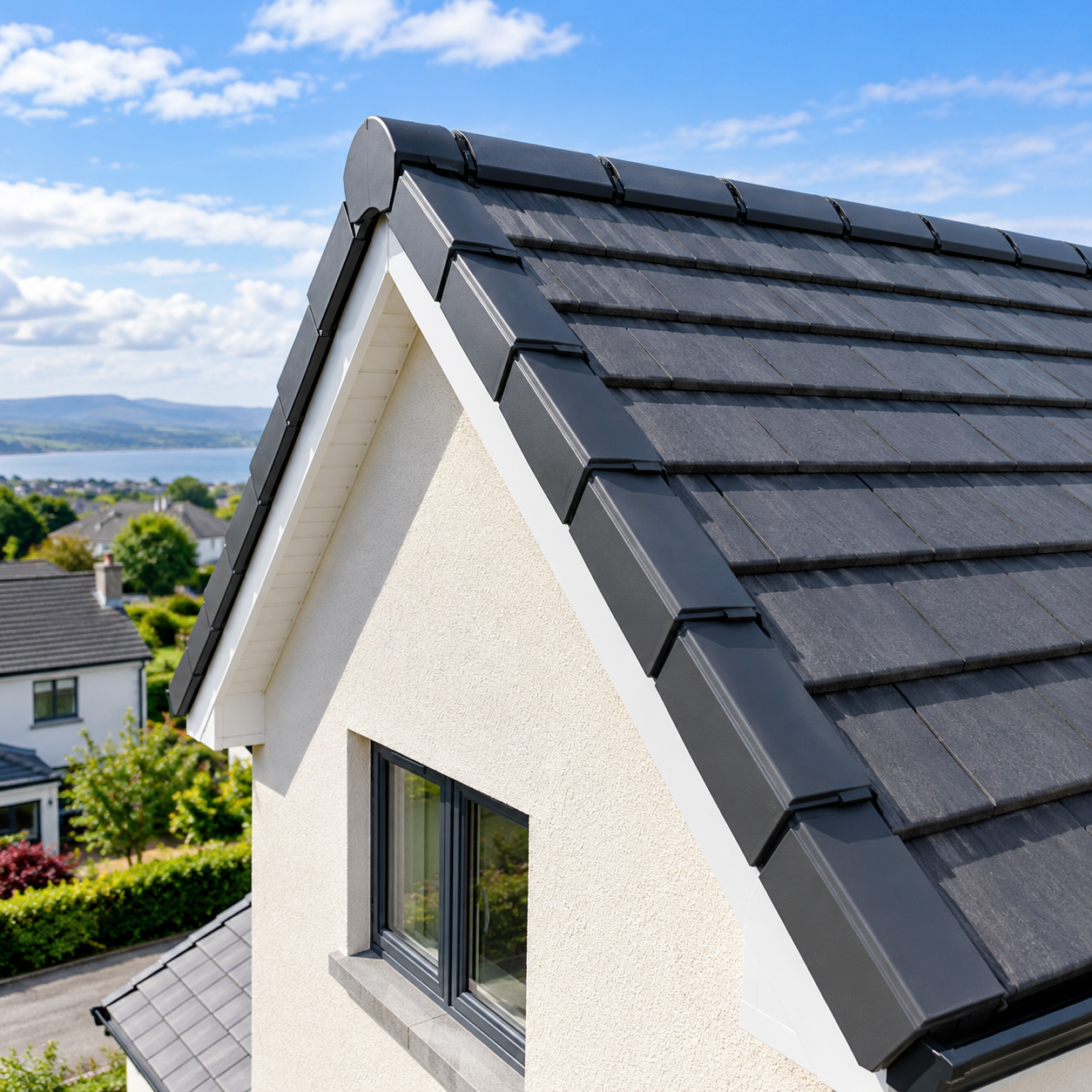
It is also the right moment to look at the bottom of the roof covering. The felt or membrane at the eaves should drain into the gutter, and an eaves protection tray or carrier is often fitted to stop water and wind getting under the first row of tiles. Many older roofs also have open or mortared verges at the gable ends, and a dry verge system fitted at the same time finishes the roof edge neatly and removes the need for regular re-pointing.
Ventilation and Condensation
Soffits play a large part in keeping the roof space dry. Warm, moist air rises from the house into the attic, especially in homes where insulation has been added. Without enough air flow at the eaves, that moisture condenses on the underside of the roof, leading to mould, damp insulation and rotting timbers.
Ventilated soffit boards, or continuous soffit vents, allow air to flow in at the eaves and out at the ridge or through tile vents. When fascias and soffits are replaced, the roofer should make sure the insulation does not block that air path, using rafter trays where needed.
Choosing Colours and Finishes
White uPVC remains the most common choice on Irish homes, but black, anthracite grey and woodgrain fascias have become popular, especially where windows and doors are in a matching colour. Darker boards hide dirt and algae better than white. Gutters and downpipes are usually chosen to match the fascia, so it is worth deciding on the whole roof edge together. On older or period properties, painted timber may still be the better choice to keep the character of the house, provided it is maintained.
Maintaining Fascias and Soffits
uPVC boards need little more than an occasional wash to remove algae and dirt. Timber boards need painting every few years, with any soft spots repaired before painting. In both cases, keeping the gutters clear is the single best way to protect the fascia, because it stops water spilling over and soaking the boards.
Fascias and soffits protect the roof edge, support the gutters and keep pests and moisture out of the roof space. Spotting rot, sagging gutters and gaps early allows a simple repair rather than a larger job involving the roof structure.
For a fascia, soffit and gutter inspection, contact Patrick Hannifin Roofing. Call 085 754 7244 or email patrickhannifinroofing@gmail.com for a free quote.
Recent Posts