Why a Roof Inspection Matters When Buying or Selling a Home
7 April 2025
Share
Why the Roof Deserves Its Own Inspection in a House Sale
When a house changes hands in Ireland, the roof is one of the most expensive parts of the building to repair or replace, yet it is often the part that gets the least attention. A general pre-purchase survey looks at the whole property, but the surveyor will usually view the roof from the ground and from the attic hatch. A dedicated roof inspection by a roofer looks much more closely at the condition of the slates, flashing, chimneys, valleys and flat roof areas.
This article explains why a roof inspection matters when buying or selling a home, what the inspection covers, how the findings can be used in negotiations and what sellers can do to prepare. For buyers it can prevent an expensive surprise after the keys are handed over, and for sellers it can remove an obstacle that might otherwise delay or derail a sale.
What a General Survey Can Miss
A building surveyor provides a valuable overview of a property, including structure, damp, services and general condition. However, most surveys state that the roof was inspected from ground level and from within the roof space as far as was safely accessible. That means small defects on the roof surface can go unnoticed, including cracked slates high on the roof, failing lead flashing behind a chimney, worn valleys or flat roof coverings near the end of their life.
These are exactly the problems that turn into leaks within a winter or two. A roofer working from a ladder or roof access equipment, with the experience to judge how much life a roof has left, adds detail that a general survey is not designed to provide.
What a Roof Inspection Covers
A thorough roof inspection for a property sale looks at every part of the roof that can affect its weathertightness and lifespan. It normally includes:
- The type and age of the roof covering and how much life it has left
- Cracked, slipped, missing or delaminating slates and tiles
- Ridge, hip and verge tiles and the mortar or dry fix holding them
- Lead or other flashing at chimneys, walls, dormers and rooflights
- Valleys where roof slopes meet
- Chimney stacks, pointing, flaunching and pots
- Flat roof coverings on extensions, garages and dormers
- Fascias, soffits, gutters and downpipes
- The roof space, including timbers, underlay, insulation, ventilation and signs of past leaks
The findings are usually presented in a short written report with photographs, setting out what is in good order, what needs attention now and what is likely to need work in the next few years.
Why It Matters for Buyers
Avoiding Hidden Costs
Buying a home stretches most budgets, and an unexpected roof replacement shortly after moving in can be a serious financial blow. Knowing the condition of the roof before signing allows you to plan for any work and avoid properties where the roof is close to failing without that being reflected in the price.
Supporting Price Negotiations
If the inspection finds defects, the report gives you clear evidence to support a request for a price reduction, or for the seller to carry out repairs before completion. A written report from a roofer, with photographs and an estimate for the work, carries far more weight than a general comment that the roof looks old.
Planning Future Work
Even where the roof is sound, an inspection gives a useful baseline. You will know which areas to keep an eye on, when maintenance is likely to be needed and roughly what it will involve.
Why It Matters for Sellers
Sellers can benefit just as much from an early roof inspection. Buyers and their surveyors are naturally cautious about roofs, and a vague concern in a survey report can lead to a lower offer or a delayed sale. Having the roof inspected before the house goes on the market lets you:
- Find and fix small problems before a buyer's surveyor notices them
- Provide a recent report and repair records to reassure buyers
- Avoid last-minute renegotiation after a survey raises concerns
- Present the house in better condition, with clean gutters and sound slates
Small repairs such as replacing a few slates, re-bedding ridge tiles or clearing gutters cost relatively little and can make a noticeable difference to how the property is viewed. Our roof repairs service covers this kind of pre-sale work.
Common Problems Found During Sale Inspections
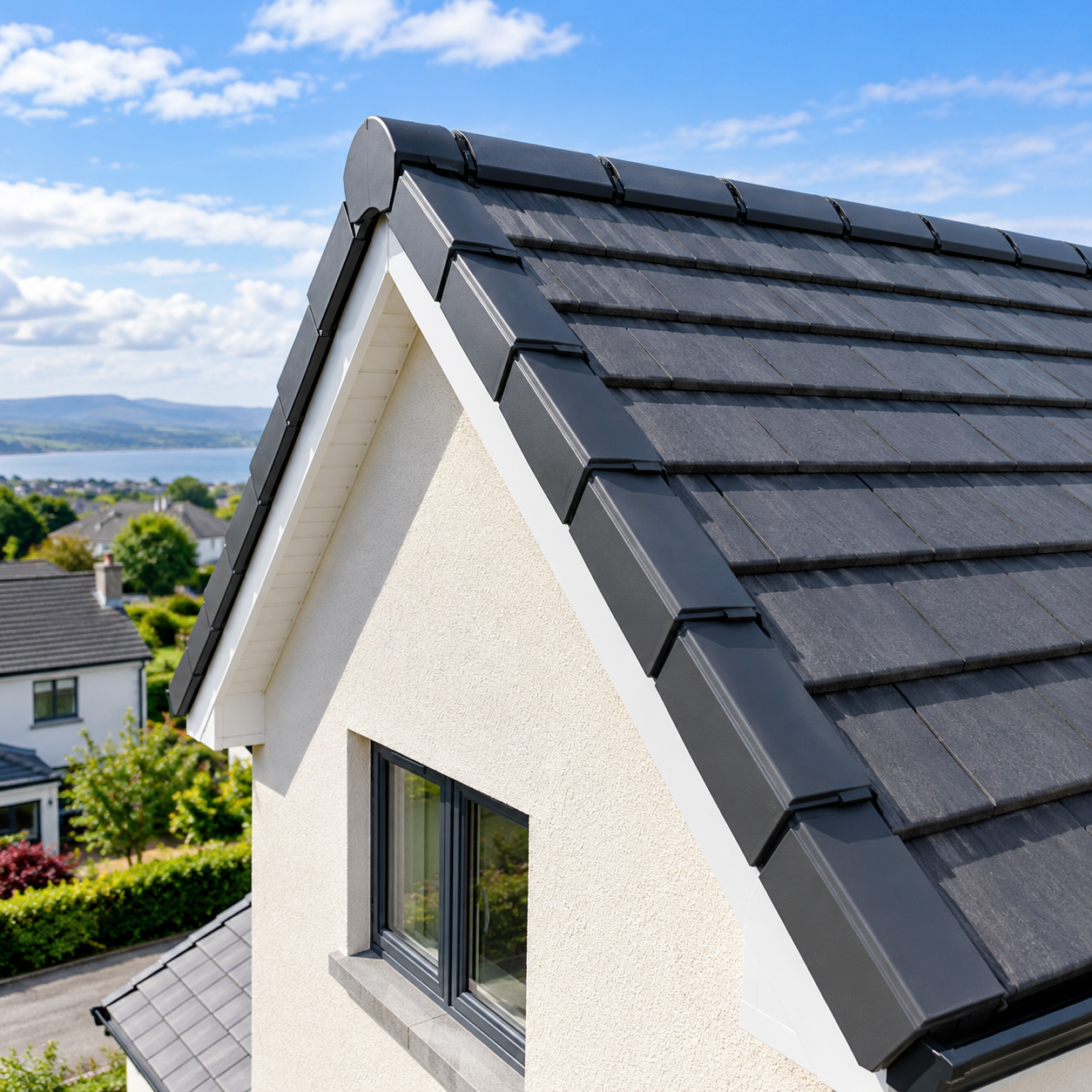
Certain defects come up again and again when roofs are inspected for a sale in Ireland. Older concrete tile roofs often show weathered, porous tiles and moss growth. Natural slate roofs can have slipped slates where the nails have corroded, a condition known as nail sickness. Chimneys frequently need repointing or new flashing. Flat roofs over kitchen extensions built in past decades are often near the end of their life, with blisters, splits or ponding. Fascias and soffits may be rotten behind the gutters.
None of these needs to stop a sale, but each one has a cost, and it is far better to know about it in advance. Where a roof covering has reached the end of its life, a quote for a new roof gives both parties a clear figure to work with.
Roofs on Extensions, Garages and Outbuildings
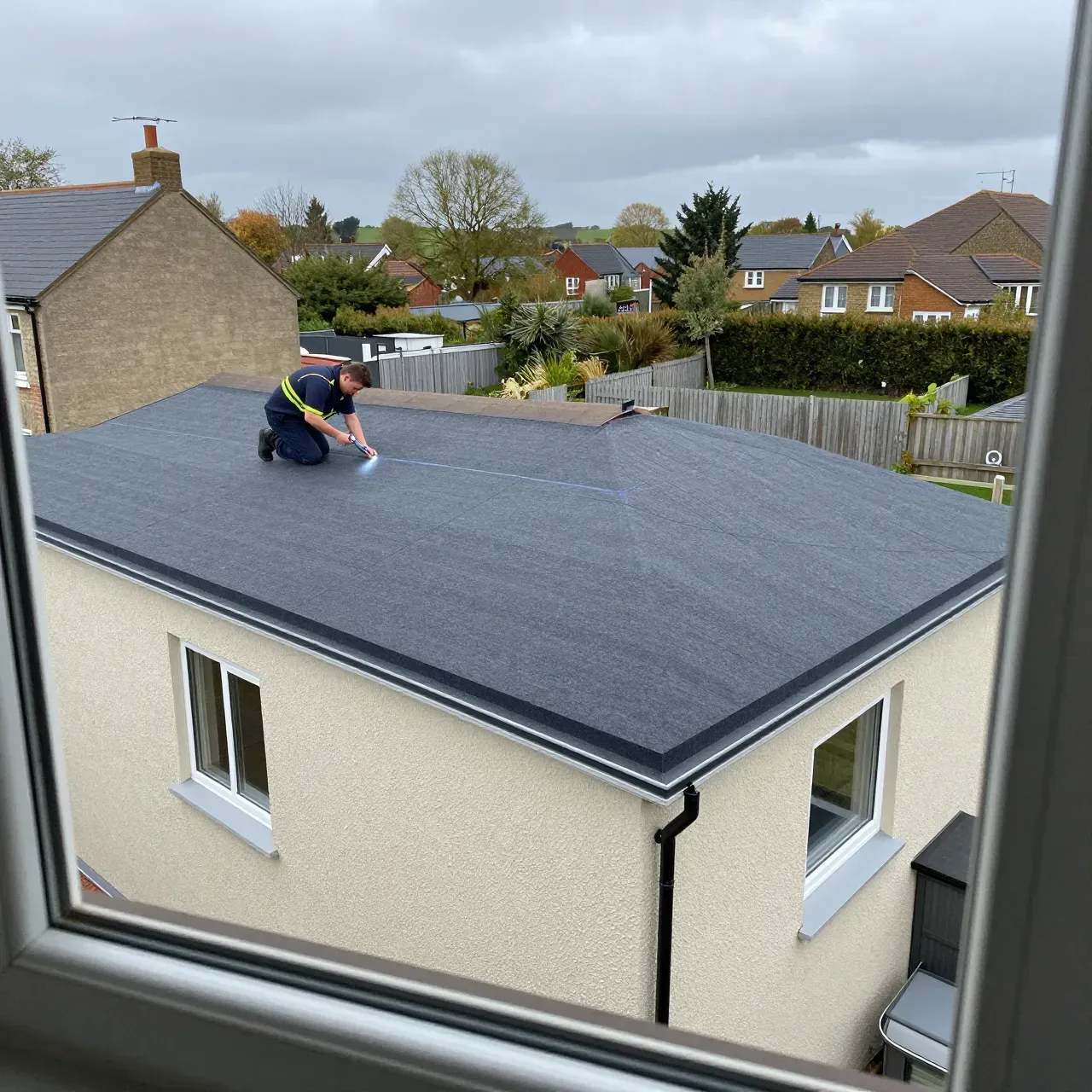
Buyers often focus on the main roof and overlook the smaller roofs around the property. Flat roofs on kitchen extensions, porches, garages and sheds are frequently older than they look and can be close to failure. A leaking extension roof can damage a newly fitted kitchen, and replacing it is a significant cost. Lean-to roofs where an extension meets the main house wall are another common weak point, because the flashing along that joint is exposed and easily damaged. Make sure the inspection covers every roof on the property, not just the main house, and that the report notes the age and condition of each one.
When to Arrange the Inspection
Buyers should arrange a roof inspection after an offer has been accepted and before contracts are signed, ideally at the same time as the general survey. Sellers benefit from arranging it before the property is listed, so there is time to complete any repairs. An inspection usually takes an hour or two depending on the size and complexity of the roof, and the report can normally be provided within a few days.
Choosing Who Carries Out the Inspection
A roof inspection should be carried out by an experienced roofer who works on the type of roof in question. Ask what the inspection will cover, whether the roof space will be checked, whether photographs will be included and how the findings will be reported. A good inspection is independent of any pressure to sell work, and the report should clearly separate urgent repairs from routine maintenance.
A roof inspection gives buyers a clear picture of what they are taking on and gives sellers the chance to fix problems before they affect the sale. It costs little compared with the value of the property and the price of roof repairs, and it removes one of the biggest unknowns from a house purchase.
To arrange a roof inspection for a property you are buying or selling, contact Patrick Hannifin Roofing. Call 085 754 7244 or email patrickhannifinroofing@gmail.com.
Recent Posts